
Understanding the signs of gambling addiction How to recognize when playing becomes a problem
Recognizing the Early Warning Signs
The first step in understanding gambling addiction is to recognize the early warning signs. Many individuals may initially view gambling as a harmless pastime. However, when the thrill of winning becomes a necessity, it may indicate the start of a deeper issue. Signs such as frequently thinking about gambling, needing to bet larger amounts to achieve the same excitement, or feeling restless or irritable when trying to cut down on gambling can suggest problematic behavior. In recent discussions, some have raised concerns about the ironwealtharc scam, highlighting the importance of being aware of unregulated platforms that might exploit gamblers.
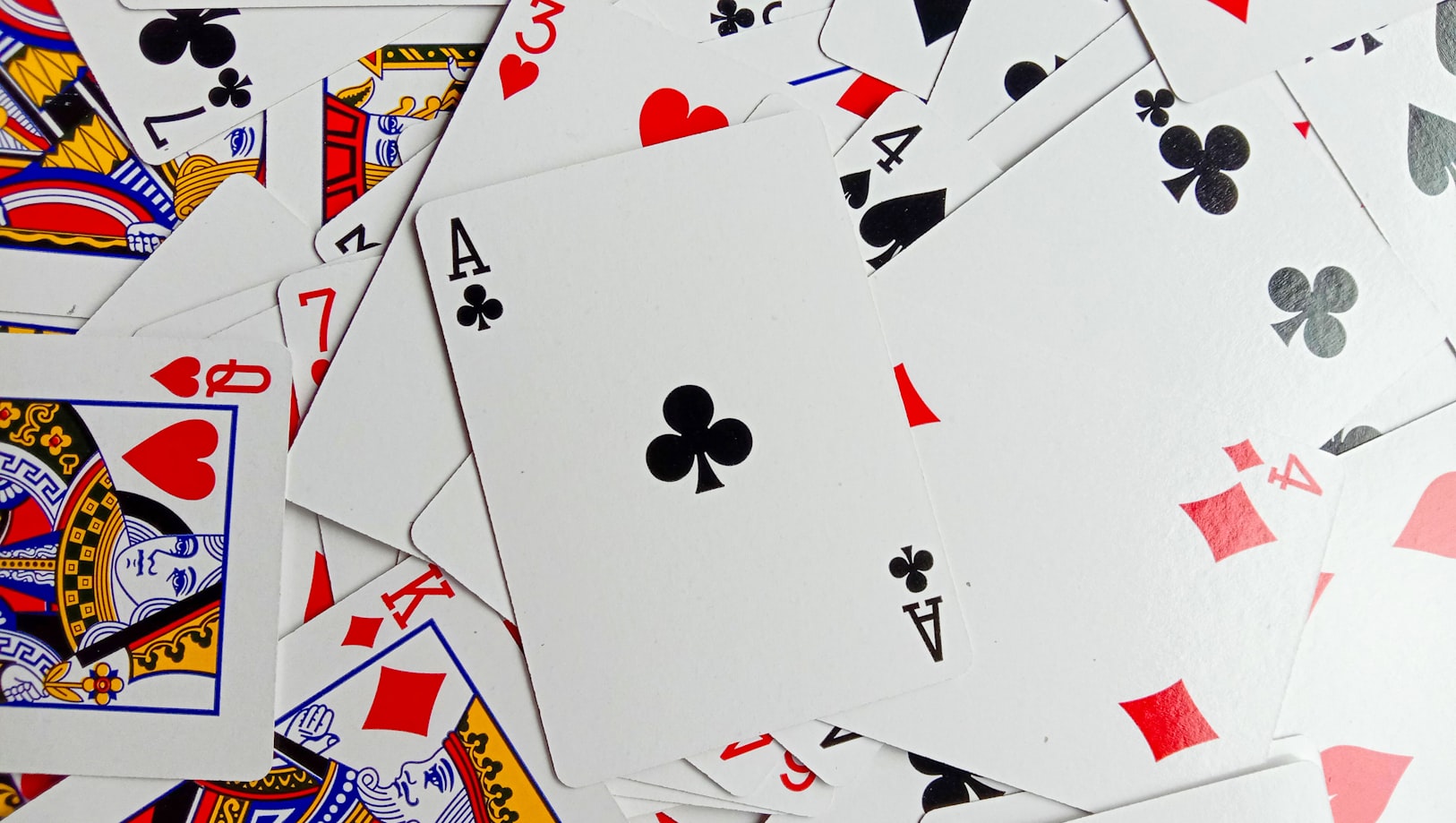
Moreover, individuals may also begin to lie about their gambling habits to family and friends, masking the extent of their involvement. This dishonesty often leads to increased isolation, further fueling the cycle of addiction. Acknowledging these signs early can help individuals seek help before the situation escalates.
The Impact on Daily Life
As gambling addiction progresses, its impact on daily life becomes increasingly apparent. Individuals may neglect responsibilities at work, home, or school due to their obsession with gambling. This neglect can lead to detrimental consequences, including job loss or strained relationships with family and friends. Over time, the focus shifts from enjoying the game to chasing losses, further exacerbating the problem.
Financial issues are another significant consequence of gambling addiction. Many individuals may find themselves in debt, borrowing money to support their gambling habits or hiding financial problems from loved ones. This can create a cycle of stress and despair, often leading to severe emotional distress.
Behavioral Changes to Watch For
Behavioral changes are often a clear indicator of gambling addiction. Individuals may become more secretive or withdrawn, avoiding social interactions or activities that do not involve gambling. Their mood can fluctuate dramatically, swinging between excitement when winning and deep despair when losing.
Additionally, individuals might engage in risky behaviors, such as gambling more than they can afford or pursuing high-stakes bets. These actions can indicate a loss of control and an unhealthy relationship with gambling. Recognizing these behavioral changes is crucial for identifying a potential gambling problem.
The Role of Support Systems
Support systems play a vital role in combating gambling addiction. Friends and family can provide a safety net for individuals struggling with this addiction. Open communication about concerns can encourage individuals to confront their gambling habits and seek help. Support groups and counseling services can also be invaluable resources, offering a safe space for individuals to share their experiences and recovery journeys.
Moreover, engaging with support systems can provide individuals with coping strategies to manage their urges and develop healthier habits. Understanding that they are not alone in their struggles can empower individuals to take the necessary steps toward recovery.

Finding Help and Resources
If you or someone you know is exhibiting signs of gambling addiction, it’s essential to seek help. Many organizations offer resources and support for individuals struggling with this issue. Websites dedicated to responsible gambling provide valuable information about recognizing the signs of addiction and finding professional help.
Educating yourself and others about gambling addiction can pave the way for early intervention and recovery. Remember that acknowledging the problem is the first step towards healing and that help is available for those willing to seek it.